Sunrise: 31st October 1964. Sunset: 31st December 2022.
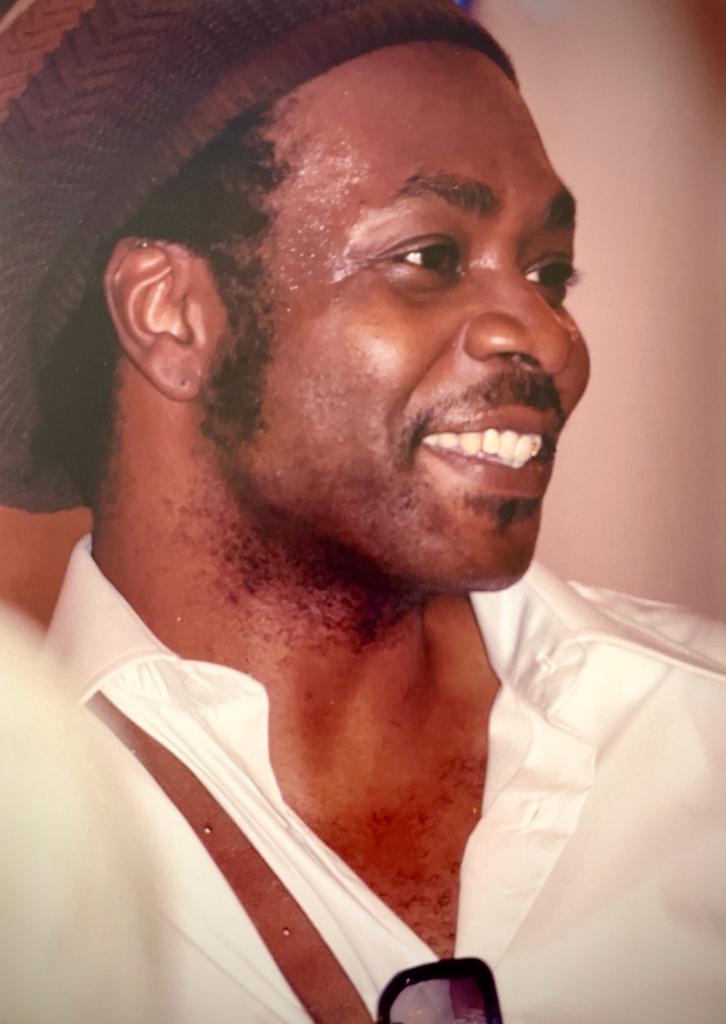
I have met many great people over forty years via my involvement in martial arts, and Bancroft was one such person. I heard about him long before I met him in the late 1980s; he had a reputation as a fearsome fighter and a great martial artist.
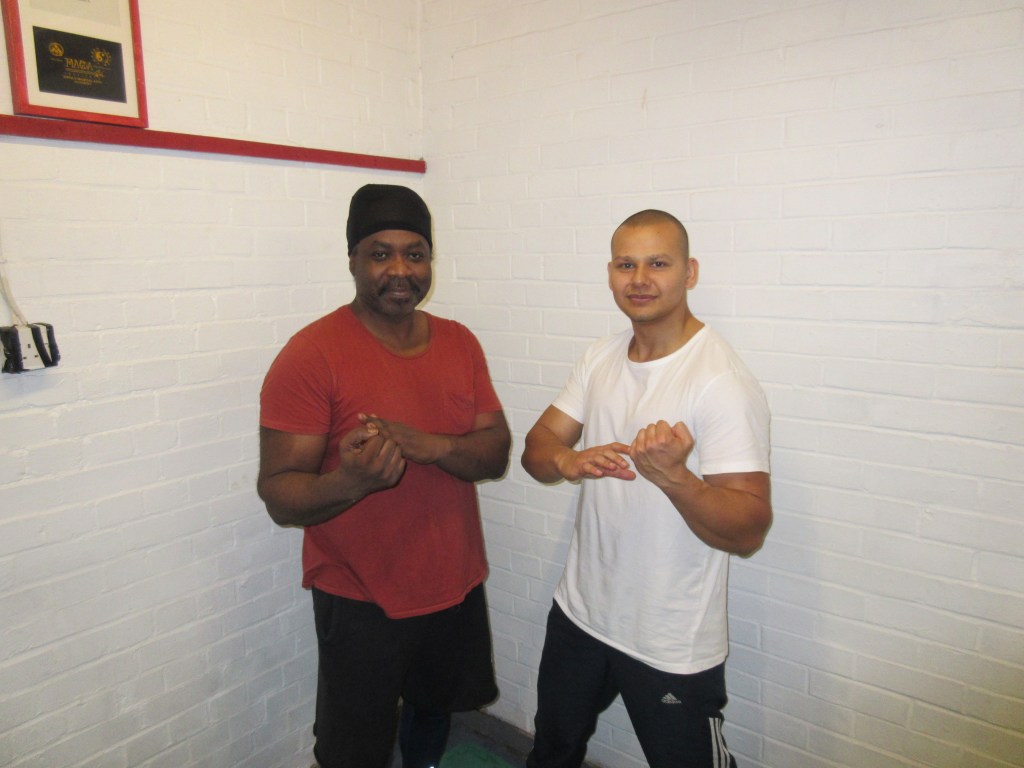
In 2013, Bancroft joined my small closed-door group to Study Pentjak Silat Pukulan Sera. It was early in our evolution, and we were still trying to decipher what our teacher was showing us and replace our old training methods with the new teachings.
Bancroft quickly became our group’s central core member; his advice and help were invaluable as we moved forward in the art. Not long after that, he became an elder in our group, an encourager to many group members.
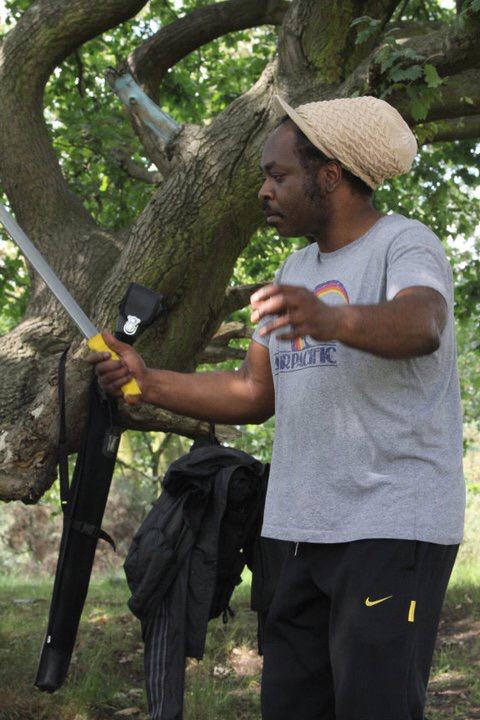
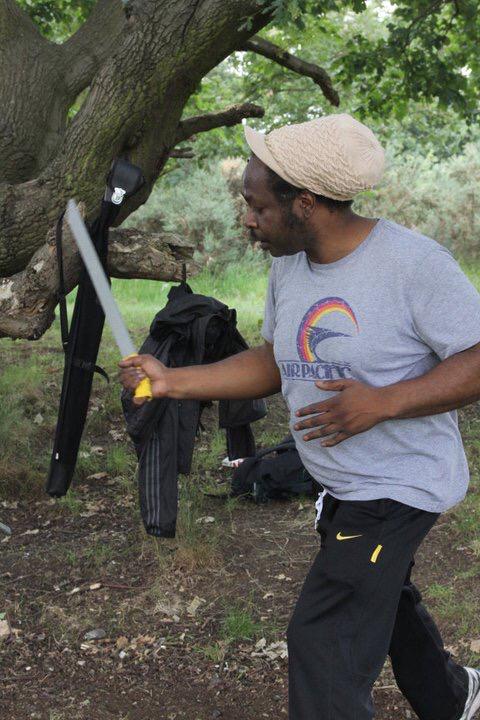
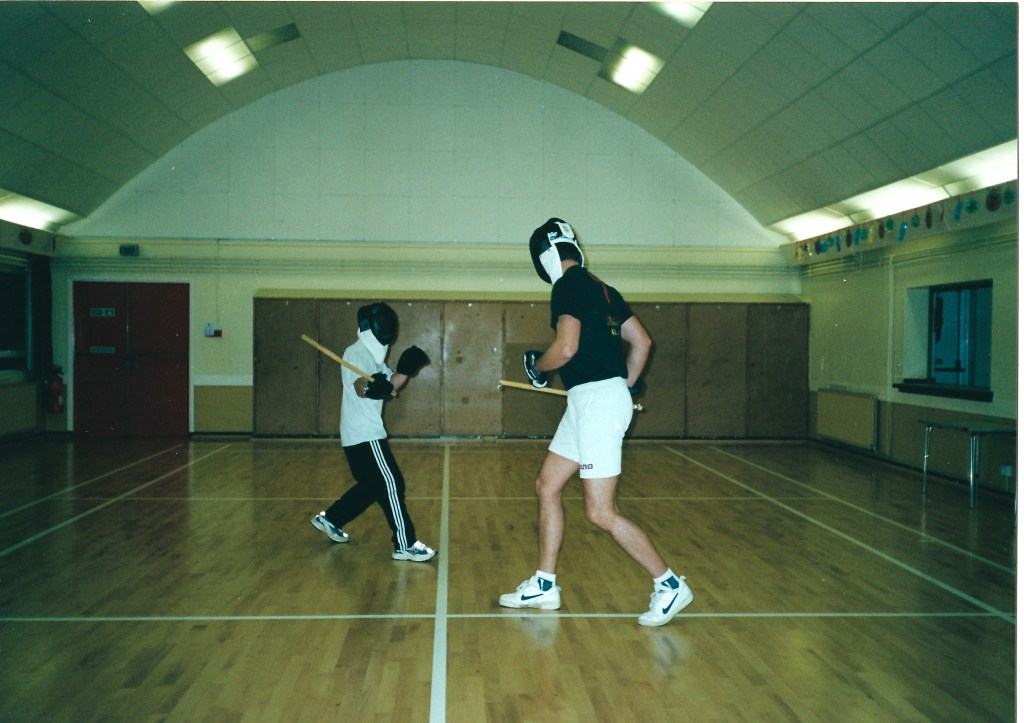
Bancroft studied many things; he was a great kickboxer, an excellent full-contact stick fighter with a great understanding of our Silat, and a teacher of the Ilustrisimo sword. Post-pandemic, I helped convince Bancroft to teach people his sword and weapons system, and he took on a few students outside his immediate family and friends as private students. His classes were excellent, challenging, and insightful. He had no slack or wasted movement and a mountain of patience. He was learning and refining how to teach and improving how he presented the art.
Bancroft was fantastic in person; he looked after his friends and encouraged everyone. A keen mind and always willing to debate any subject. In our private lessons, we often stopped to discuss a point or a topic of the day.
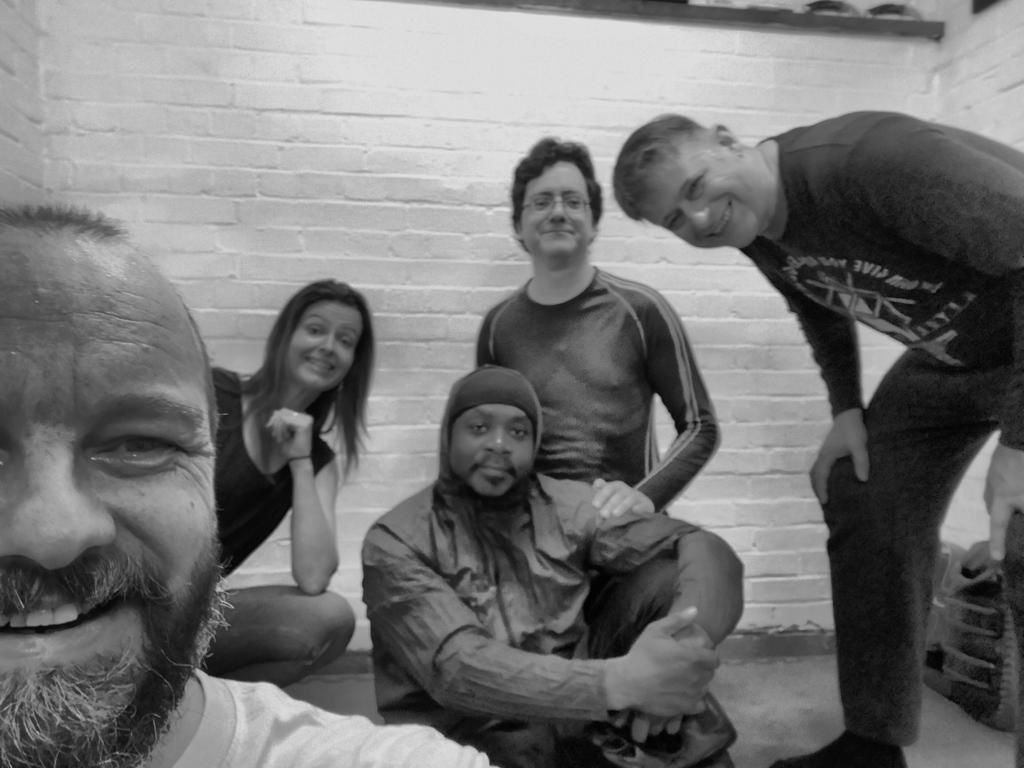
Bancroft’s passing has left a big hole in our group, and it is heart-breaking. A few of us did attend his funeral, meet his wonderful family and friends, and give him a good send-off. Bancroft was a martial artist who was very able with empty hands and weapons and a teacher of several systems. In our Silat system, we say the goal is to be normal, Bancroft was, but he was also an extraordinary human being.
In remembrance of Bancroft and as a tribute to him, each first lesson of the New Year will be named after him, and we will cover a subject he liked from one of the many systems he studied. We also plan to do a gathering in the park at some point in the Summer.
Not so long ago, in 2020 and 2021, a large proportion of our training was solo work due to the pandemic. In my training group, having a mixture of traditional and modern arts, we made significant gains despite not having training partners, which seems almost contradictory to most coaches.
Like most people, we used zoom sessions to stay in touch and to gain new technical and historical information. There was much more emphasis on using home gyms and making the most of what we all had. Some of us had to add rehabbing from a nasty bout of covid into the mix.
I found that having a home-heavy bag was beneficial and modified it to suit my needs. For example, I added small targets to the bag for my empty hand and weapons strikes. Below you can see me kicking the bag, trying to fix my lungs post covid.
I used the bag for the usual striking and tool training, but I also used it for post-workout resistance training to train my clinch and close-in tools, such as the head butts, which are a must-train for close combat. Some people think using a bag like this is funny, but I have to say I am really pleased with my enhanced clinch strength and especially when I was able to drop one detractor on his head. It was a bit like a knife cutting through butter, getting past his arms to gain control of his body.
I also use my bag during stick, sword and dagger training. I know people who hung some car tires to strike. A tennis ball on a rope can also be a valuable training tool.
Look around your home gym and think about how you can get in extra training sessions to safely improve your skills.
2022 was supposed to be the year we got out, and about a little more, visiting friends in Ireland, Amsterdam and Spain, but not all our plans came together.
Sword
I progressed with my Ilustrisimo sword training over the year but still struggled to get it right 100% of the time; I dropped my stick training over the year to concentrate and retain the bladed element and mindset. Very much still a work in progress, but I am at least learning new tricks and theories. Probably need some event to train for.
Sera Silat Class
This year I took a back seat on the Silat teaching front and attended our group sessions to train and help out. This worked well, and it was great not to teach so much. The training sessions have been a success because we really dialled down on the fundamentals and the crucial subject of how and when to teach them. The result is the group’s skill level and technical knowledge has grown considerably, and people are all moving better.
A few of us took advantage of weekly zoom classes with our teacher, I would generally visit the Netherlands once a year for face-to-face classes, and we would typically host in the UK once or twice a year. We managed to host a last-minute surprise Sera workshop with our teacher in the Summer, which showed, among other things, the links between Sera and grappling and the correct use of footwork. It was great to get things back on after the disruption due to the pandemic.
KORA
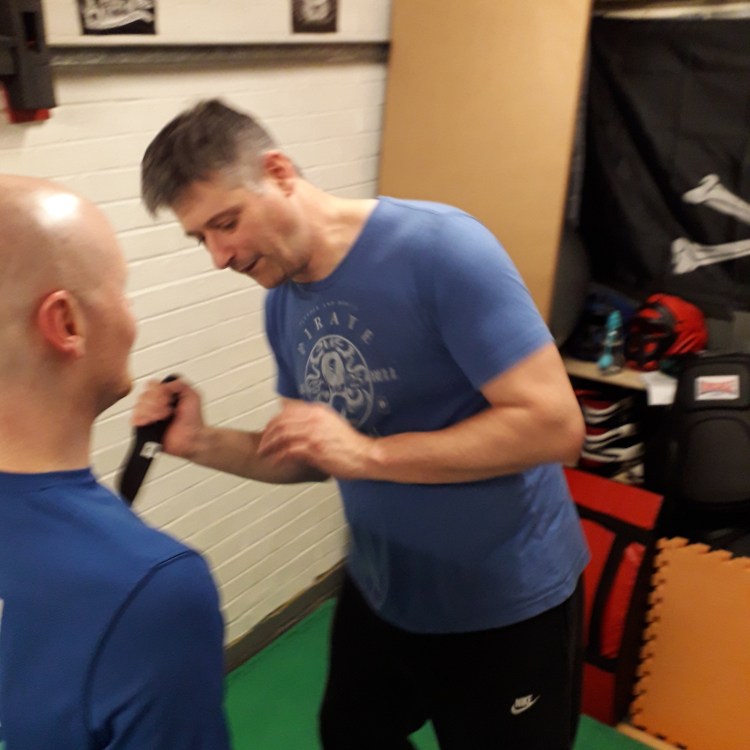
The regular class proceeded, with me teaching a mixture of Savate stand-up and clinch; we continued to look at the knife and separately some knife sparring. I probably taught boot kicks and clinch the most this year. Separately I ran the first monthly Instructor training program with two students who can now pass on the knowledge and skills.
I managed to get a research trip to Spain in May and catch up with some old Flamenco friends.
Summary
In my personal training and the two separate group classes, we tend to spiral around the same subjects each year, growing in experiences each time. This is especially true of our teaching skills.
For 2023, we hope to visit more, complete in some full contact events and share a little more. I will pick up stick and knife sparring again and run the KORA Instructor training once a month. If all comes together, I will visit the Netherlands, Ireland, Portugal and Spain for a nice mixture of training, research and chill-out time.
Training opportunities
I plan to teach more workshops for friends’ schools in the coming year. I will post details here on our website as the dates get firmed up. I already have had a few group training enquiries for the coming year; numbers are limited by space. If you are interested in training semi-privately in our small group in either Sera Silat or the disciplines we study in KORA, such as Savate, grappling and bare-knuckle boxing, please get in touch with me via this email: korahit@gmail.com.
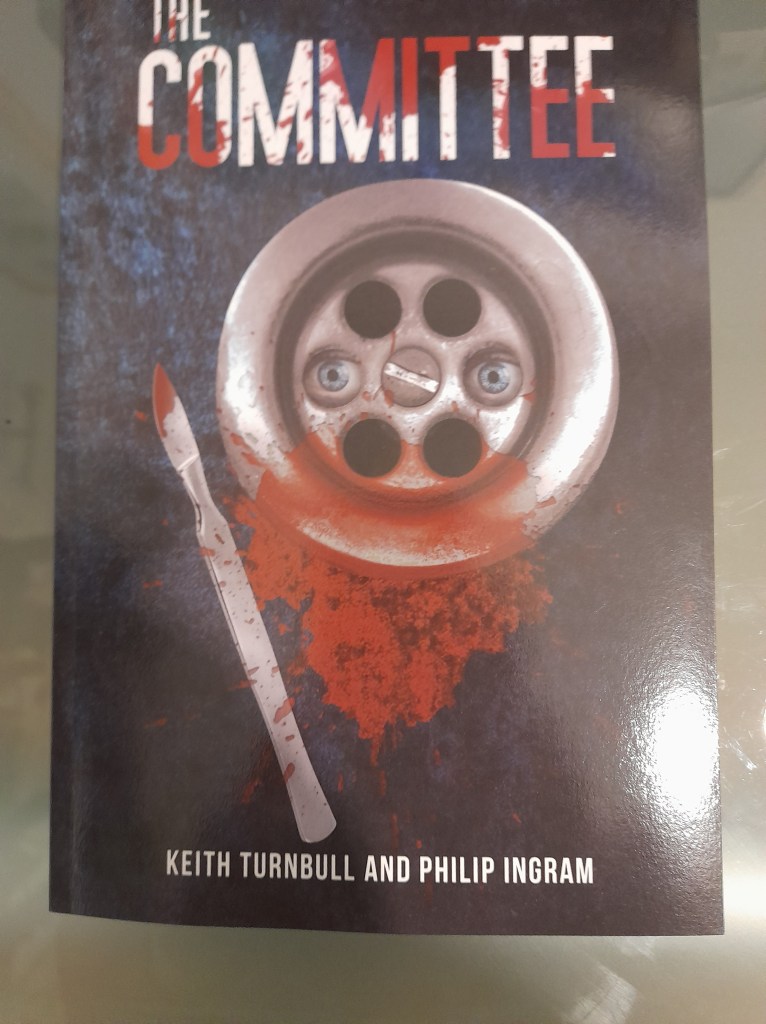
The story eases you in and quickly then jolts into life and moves at pace, successfully moving between time periods. There is something familiar about this story, in the same way, that reading about serial killers is uncomfortably familiar and triggers something in the back of your mind, such as that matter-of-fact realisation that often life is cheap.
Most aid workers helping during civil war have stories of fully equipped hospitals in the middle of nowhere. Perhaps we now know why.
The authors have an excellent pedigree that only experience provides, which shows in the details and drives the story forward. I don’t know how much of this story is true, but it feels like it may well be. The story highlights people tracking and its connection to organised crime, civil war and the fact that we often take no notice of things staring us in the face.
When I start a new book, I like to pick a character early on that I will follow; typically, mine meets an early end. A great read, with lots of insights and details that only people who have been there would know. One of those books that keep you hooked right to the end.
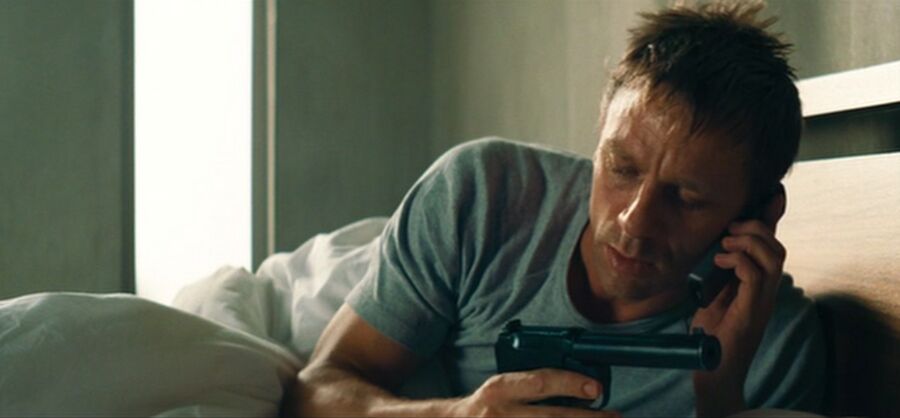
Now that we are at the 60th Anniversary of James Bond and Daniel has completed his portrayal of Bond, I wanted to write down my feelings about Daniel Craig’s tenure playing James Bond.
Like most people, I first saw Daniel had been selected as the new Bond when I saw the introduction PR announcement on the Thames in October 2005. I was sitting in an office with a new Client, and he mentioned a news slot he had on the screen over my left shoulder that he was watching as we waited for other team members to join us.
He said, ” Whoops, look at that, they have him in a life jacket; what a PR mistake. I explained to him that it was likely the military who had insisted; we talked and bonded about our mutual military experiences and made friends by discussing Bond, Spies and cars.
That was that, and I did not think of the Bond franchise because I tended to steer clear of it. I had worked in the so-called secret world for what was called a Joint Venture and always had to take care not to be broadcasting as some wannabe James Bond.
A while later, in late November 2006, I was on holiday in Ambleside in the Lake District with my wife; we planned to walk the hills and spend time in the friendly local pubs and restaurants. On Saturday, we drove into the holiday home drive, it started raining, and it rained none stop until we drove out a week later. Not a problem, we would switch to a week in the lovely local pubs and restaurants and have a foodie experience, except that Sophia found out she was pregnant. No more booze or even rich food.
The car park location in Ambleside meant that we had to walk past the local cinema to get into town. We were walking past one evening when the people who had been watching Casino Royale tumbled out. They all looked delighted, despite the torrential train. We made a joint mental note to check out the film to fill the time.
Copyright to MGM
That’s how we came to be sitting in the small cinema with the ever-present rain beating down outside, watching the excellent trade mark MGM lion roar on the screen the next night. The film opened in black and white, suggesting going backwards in time. A fantastic scene in an office of someone being shot for selling secrets intermixed with a great fight in a toilet. Outstanding opening credits and awesome Chris Cornell song “You know my name”, and we were hooked.
Casino Royale is a beautiful, brilliant film with so much to like. The chase scene set in Madagascar, culminating in the embassy shootout, with Bond dressed in a casual “bone” shirt, which is something of a tradition for military nights out, set the tone. A super-talented cast sold the story as we were shown how Bond became the One we all know. Such a great film; we watched it twice that week, and it is one of my favourite films.
Back in London, I had to attend a series of work-related black tie Christmas dinners and made sure to pick up some Bond-like cufflinks and select a nice bow tie to go with the dinner jacket. Not quote Daniel but at least influenced by his look and on the way.
In 2008 Quantum of Solace, the follow-up film, came out, and I was probably the first in the queue to see it. Fantastic film, hampered by a writer’s strike, gives the dialogue in almost brutal short bursts. Probably Daniel at his most Fleming Bond-like, with just a great look. The opening car scene is incredible. Something said at the end of that scene, “time to get out”, and Daniel delivered the way it gave us a good think about my own vocal delivery. I realised I had got very London broker common in my speech patterns, and I needed to reclaim how I used to speak.
We had the long winter of four years where we had to make do with the Jason Bourne series until the wait was over in 2012, and Skyfall landed. Skyfall, a film that just about the whole world likes, introduced us to Moneypenny, a new Q and one of the most extraordinary villain introduction scenes ever shot. Simply brilliant.
Spectre followed in 2015, after a lot of will he, won’t he do another speculation, a fascinating film that appeared to seal off Daniel’s time as Bond. We got introduced to the stepbrother and a great cast, a mixture of old friends and newcomers such as Christoph Waltz, Lea Seydoux, and Monica Bellucci. Really love this film; just brilliant.
That was that.
Then Bond 25 was announced, and after getting past a pandemic and waiting until 2021 -2022, we got No Time to Die finely. A super-looking film, with a soundtrack to match. I recommend watching the Sound of Bond documentary to see how the soundtrack came together. Han’s Zimmer is a genius. NTtD is a challenge for obvious reasons, but the more I watch it, the more I love it. A great way to naturally end a super run.
So now Daniel has finished and can move on to other projects, knives out is excellent; for instance, we can review his tenure. Right from the start in that opening scene set in Prague but really Canary Wharf, Daniel’s acting ability led the way, the interaction with cast members and the way he worked with all the teams was brilliant. He had the look and the often-overlooked movement down, nice touches being the walk and the way he throws things over his shoulder when he discards stuff like car keys at the Ocean Club. He looks like he could kill someone and seems to have been trained to do so. Great fight scenes, chases, cast interaction scenes and great voice. He also has that Connery ability to make bras pop open everywhere. Despite his reservations, Daniel teed up and knocked this role into outer orbit, much like Le Chiffre with a knotted rope.
My favourite Bond and set of films. A shout-out to the Producers, Writers, Directors and all the crews; brilliant work. Also, a shout-out to the team on Layer Cake; they knew!
The training program for today should have been Ilustrisimo sword training. The plan was to do an hour of Sera and then an hour of clinch work.
What we ended up doing was me training sword work solo followed by two hours of Sera; that’s how it works out sometimes, you pencil in a program and a topic and the situation dictates being agile and doing something else.
Today’s menu was dealing with two punches, such as a boxer’s one/two, using ideas from Sera. In some ways, our Sera resembles our old-style bare-knuckle boxing, so it’s not too much of a jump to insert it in. All my group are cross-training in bare-knuckle boxing and Savate anyway. The session started with me practising basic yoga breathing to set my mind. We then practised basic counters and moved into applying our grips.
I was pleased with my mindset and being “on it” regarding reacting and using good body mechanics. On this occasion, anyone walking past the garage practice space would have seen two Sera players practising. Two humans colliding will produce a certain amount of limb clanging and pain from shots, and I knew post-session where I had made contact with my training partner. Despite forty-plus years of combat sports and my sparring partners noting I have hard bones, I still feel it when I clang forearms and shins, but I heal up rather quickly.
The training exchanges were so fun that we did that for an hour and a half, followed by looking at flowing between our standing guards. The last ten minutes were spent on tree pose.
The next day I managed to slot in a quick thirty-minute weights workout and then about fifty minutes of the clinch. Followed by a bit of yoga breathing, starting to feel very good about it.
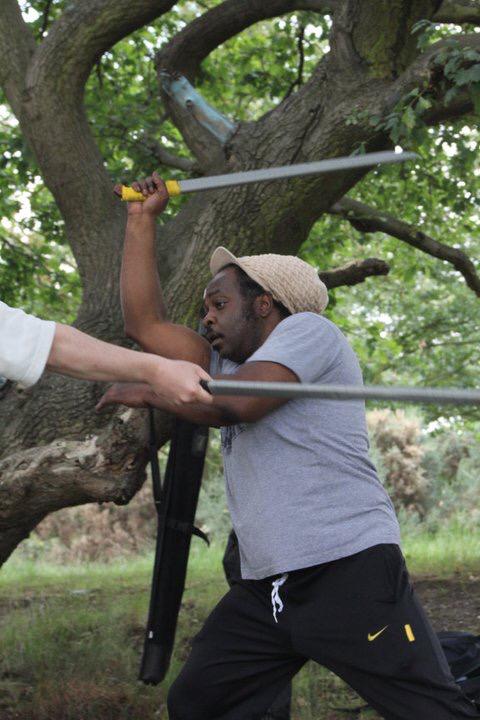
Third group class back after six weeks off due to holidays and research in Spain. Minimal numbers this week as lots of people are either away or dealing with emergencies. Bancroft came early, and we worked about an hour and a half on the Ilustrisimo sword. We got to train outside instead of my garage practice space for the first time. Space and sunshine make a massive difference to the training comfort, and it was a great learning experience.
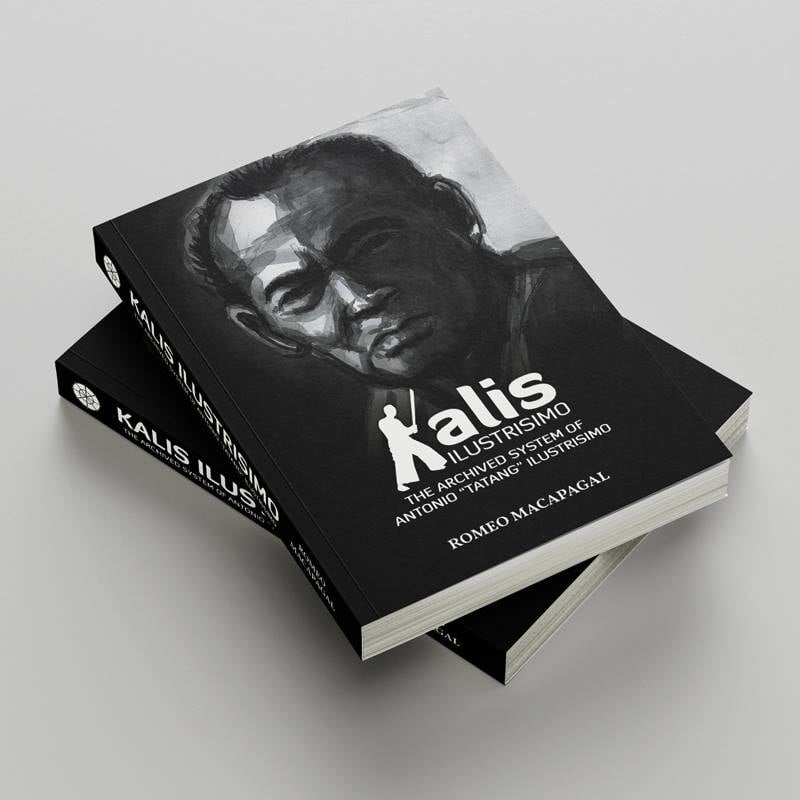
Master Romy’s brilliant book, is a must-have.
When performed correctly, Ilustrisimo is so sleek it really is a beautiful thing. I am still at the beginner stage, trying to convert to blades and break bad habits from forty-plus years of hitting people with sticks. The goal is to internalise the correct action with precision targeting under real pressure. Over the last few months, my control of measure and timing has improved; my cutting will always need work. We briefly looked at knife defence at the end.
We spent a little time discussing Sera guards and a lot of time discussing the theory of training, past bad training experiences, personalities in martial arts and how they can have a positive or negative effect on a group. Both of us feel very blessed to be able to train in and share our arts.
Second group class back after six weeks off due to holidays and research in Spain. The first hour was me as the student learning sword in medium-range, a range I don’t like playing in. Slight improvement since I changed my grip on my training sword, and I have also been working on relaxing as I perform. Still not happy, and it’s taking years of effort just to get rid of previous bad habits. The plus side is that I am forced to keep working towards my goal. Incremental improvements, not as fast as I would like but improvements. I am starting to understand what the term pickpocket means in Ilustrisimo sword in different ways and the importance of hiding that alive hand. Also starting to notice slight variations in timing on the basic strokes and how this affects my response.
The second class is an hour of me teaching Sera, running over all the basic footwork patterns as requested by my teacher. Most of the students have the technical skill set, so this was easy to cover in the review in an hour, but we all need to work on flowing and getting the movements dialled into our nervous systems.
The third class was me teaching from my Savate boot kick module and was a review of our footwork. Firstly, we drilled hard on footwork and added a kick and a counter. A scorching and intense class. The last ten minutes cover the Muay Thai round kick. When we don’t have our boots on, we use the correct part of our shin to make our opponent’s life miserable. A different base but easy to slip between the two stances.
We took a break, and I then taught the KORA fence system class to the trainee KORA instructors. A perfect interactive course where we looked at handling the interview stage of conflict and how to deal with that. A mixture of fun, intense work and some role play, with some pickpocket magic thrown in.
Back to class after four or five weeks off doing research and some travel to Spain. The first class back is all about getting back what I call class conditioning. Experience has shown me that you lose a bit of conditioning every day you are away. A PTI in the military once told me that every time you take a pee, you lose a bit of conditioning. That may or not be accurate, but I have noticed it takes a good class of clanging and banging to get back up to speed.
I have been doing quite a bit of personal solo training and some sword work, but you need to interact with others and have contact to pick up the essential body conditioning, timing and measure control we desire. In our group, you will pick up some minor bumps and burses during training as you apply your art, which is unavoidable. We consider risk and reward and adjust to our training partner’s needs.
Today was all about dialling down to get the body mechanics right on a basic punch, then a quick run-through on defences and combining that with footwork and positioning. During the teaching progression, you get taught lines of attack and defence, and you always work on finding and controlling measure and timing. If we found a lack of intent or a deficiency in our striking, we pluck out the motion and hit focus mitts. Then plug the movement back into our drilling.
About thirty minutes back in, we all revved up and started to sing with our bodies. Things get a little easier, and we dial down into areas such as correct weight distribution. In my group, we work off several traditional and modern fences at the start of interaction; we explored this and ended with a playful “what ifs”.
I have been watching Adam Chan’s excellent YouTube channel; Adam is a Wing Churn player/teacher and some other Kung fu, and I find his channel very beneficial.
Today after class, one of my training partners ran over an introduction to standing post-training from the Chinese Martial Arts, which really helped. I intend to do standing post-training after each training session.
Testing your mettle was a reasonably common combat arts term when I was growing up because as you went through your training until you had been in a combat situation, you were regarded as untested. Being untested is not actually a bad thing at the beginning of your journey, but at some point, you either have to compete if you are in a combat sport or use your art in self-defence if and when the time comes.
My first Muay Thai teacher said you were not a Muay Thai fighter until you had completed twice. Once was not enough; you had to return to the ring despite knowing how hard it was. It had to be a full-on match, not sparring or hard pad drill training. When I was going through some sniper training, the head of the course said you are unproven until you get your first two kills despite passing the course with flying colours and getting the funny little rifle badge to wear. He actually asked us to write to him and confirm when we had at least two kills because only then did he consider his work was successfully done. I later found out that some people passed the course and got their first kill but found they did not have the will to do so again. I can fully understand that.
I was trained to hunt from about four onwards, but as an adult, I had no idea how I would react when the time came; I knew there was a fair chance of being in the position to kill as I was in the military then working free-lance. I did a heap of training, the live-fire drills and simulations, putting thousands of rounds down the range, but you never really know, and even when you have been successful in a previous encounter, you never know how things will pan out the next time.
I noted above that it’s not a problem if you are untested because we all are at first, and sometimes in the case of self-protection, you have to wait to be tested. The issue comes when you move on to teach others; imagine a sniper teaching who never made a kill. They may understand stealth and trig maths and have marksmanship skills but have never performed the live task. Likewise, anyone teaching combat sports ideally would have been turning in outstanding live performance at least at some point in their career.
Regarding modem martial arts training, unless it’s a combat sport or your teacher has a side hustle bouncing bars, it’s unlikely they will be proven. I would argue it’s actually getting rarer to find a proven teacher due to how our legal system works these days. I have friends who teach and are very honest about the fact they never had to deal with actual combat. Is that a significant problem? No, as long as they are honest with their students.
For martial arts teachers who can, I would wholly recommend taking part in combat sports, like grappling or kickboxing or MMA, to road test yourself. It will help you design a training program that will prepare your students to perform well when their test comes.










 Killick Off Road Arts