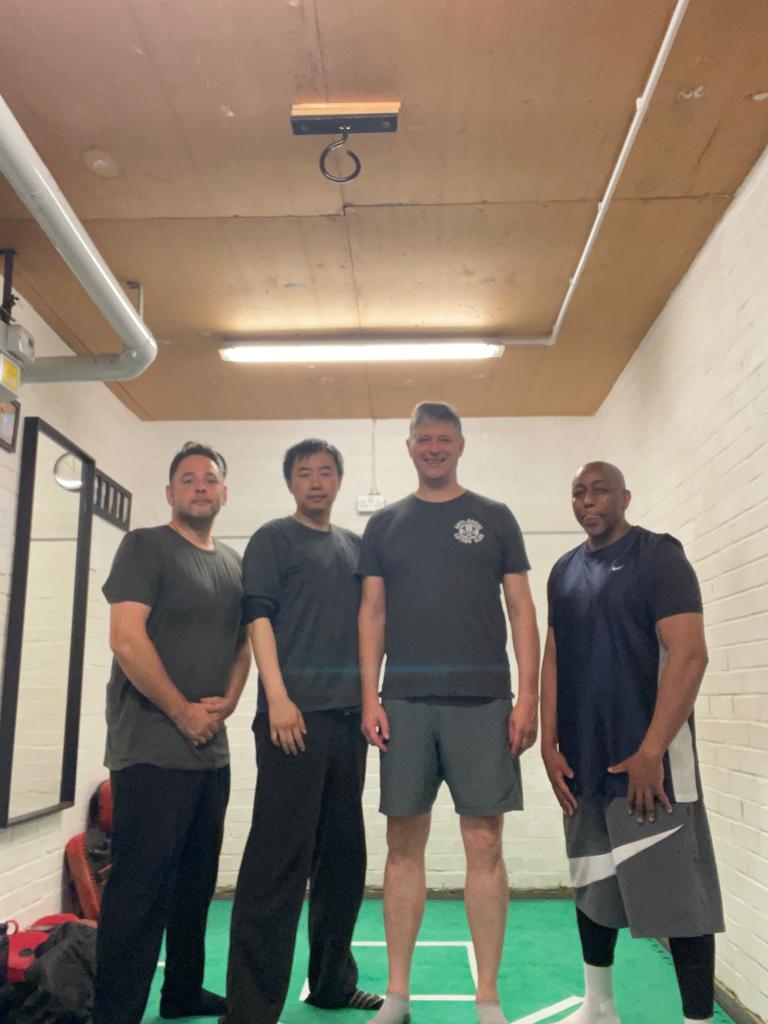
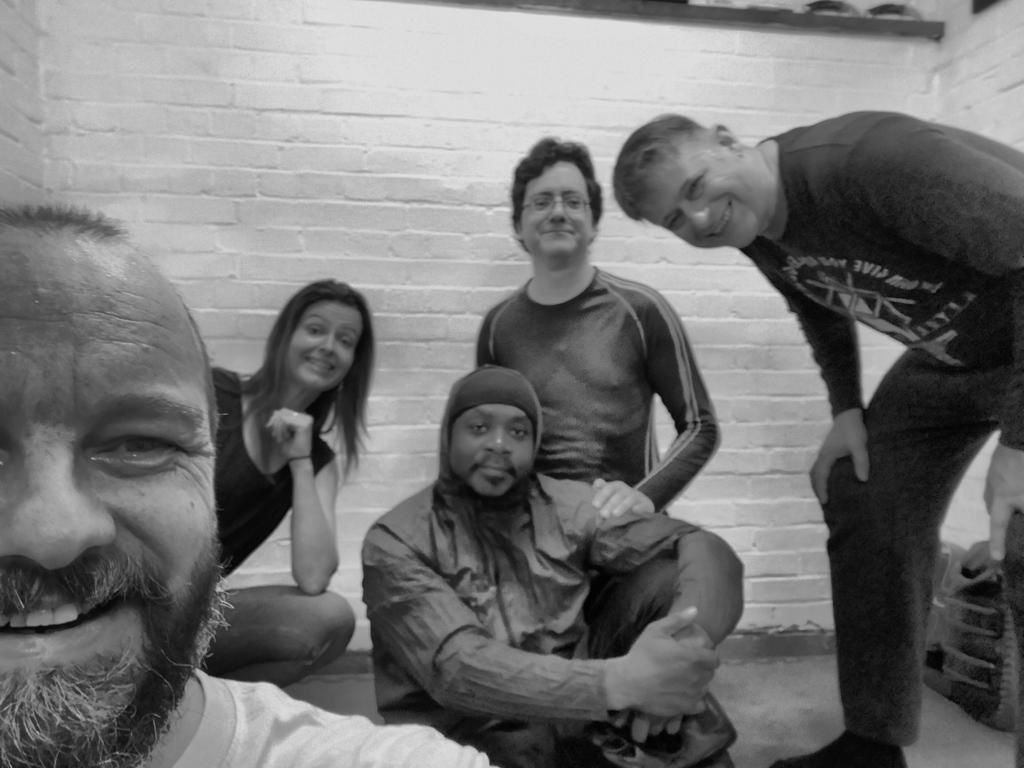
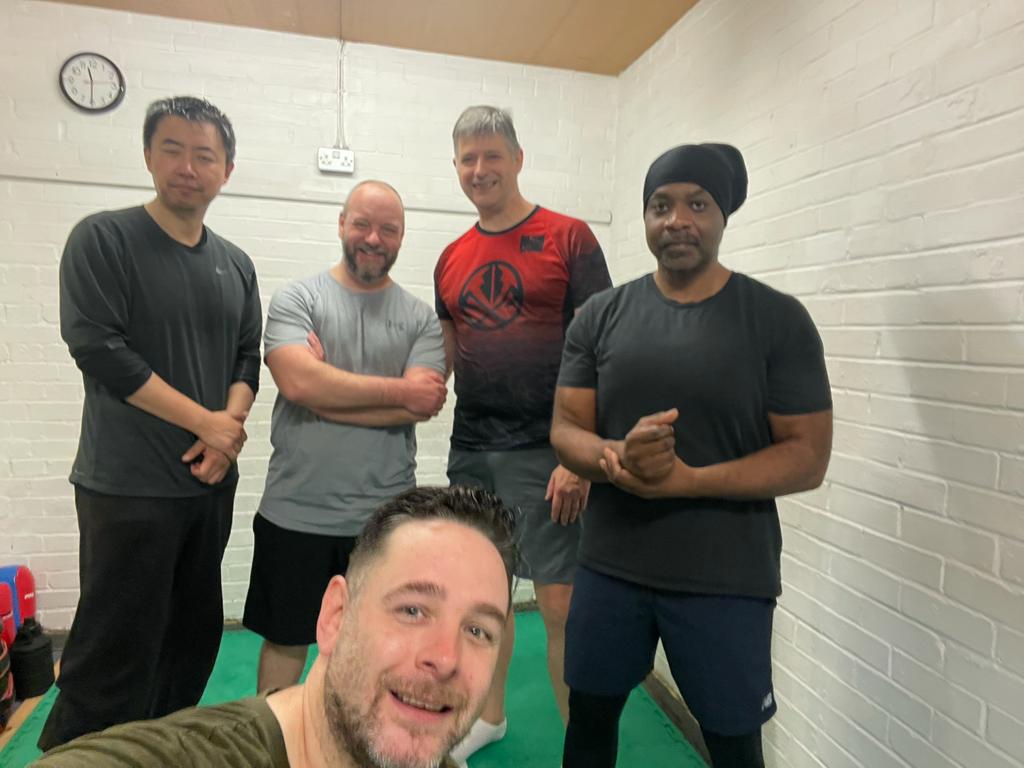
Following the August break, this was the first formal class back, and as usual, we will spend the first six weeks revisiting the basics of Sword, the arts that I include within the KORA syllabus, like Savate, which I call Basque boot to honour my teachers and our brand of Pencak Silat.
Sword Class
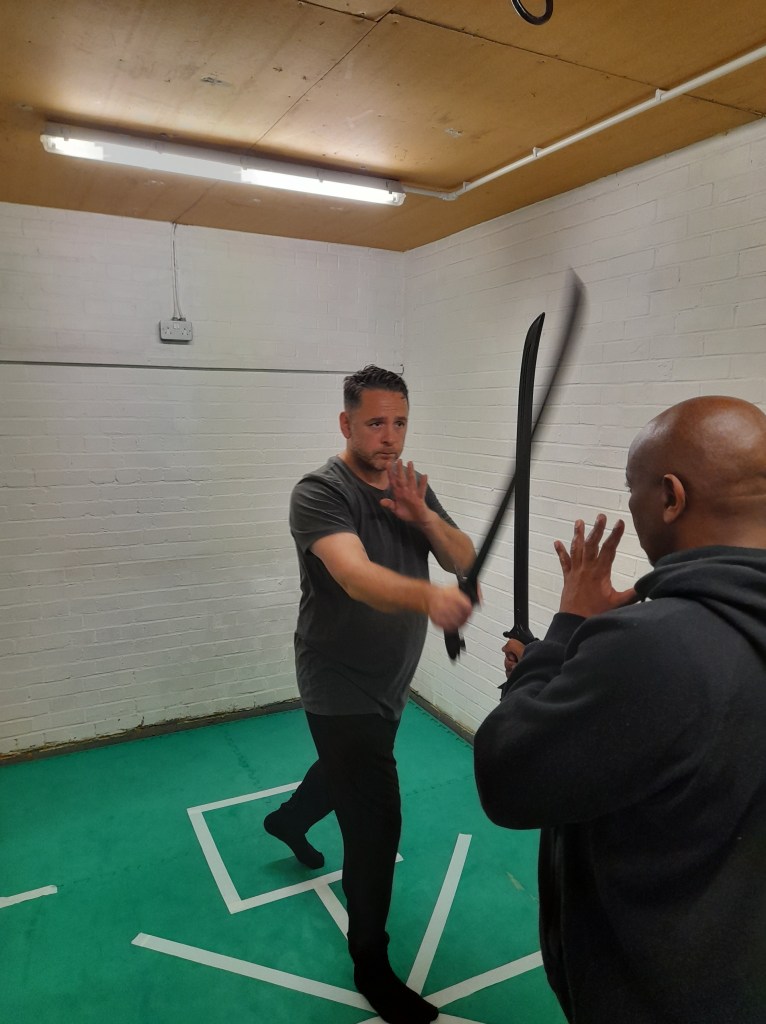
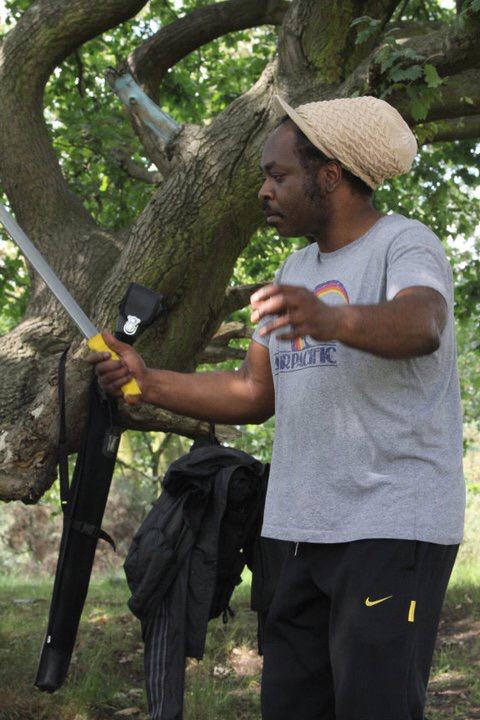
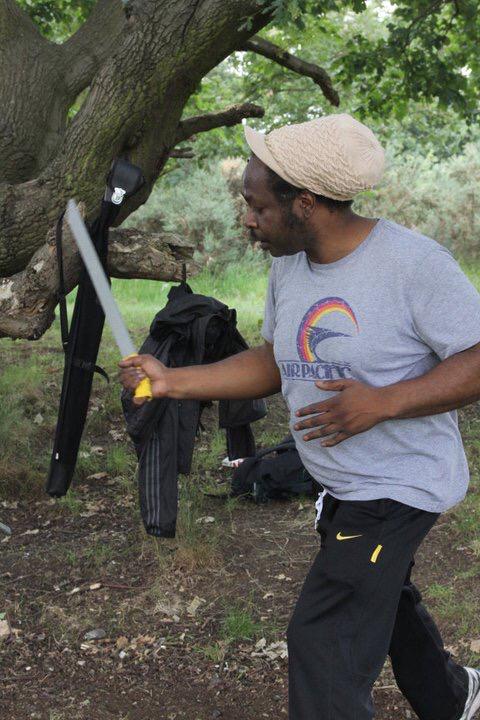
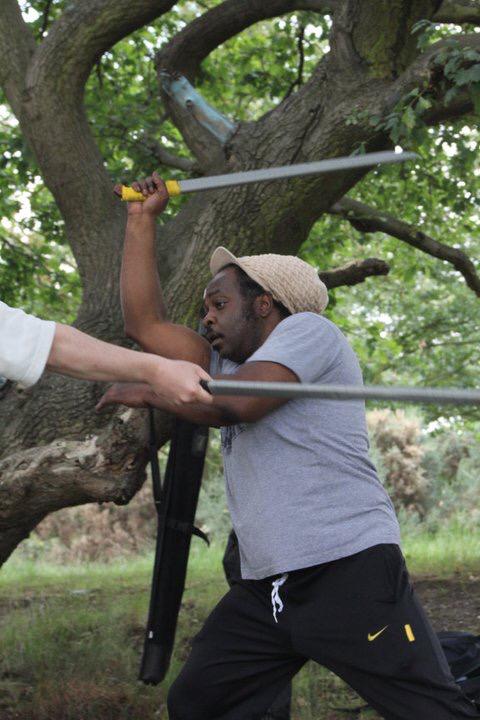
I taught the basic stance, sword alignment and the four modes of combat, two of which the great Ilustrisimo mostly used. Once you understand the control of measure, you can use timing to investigate each motion. We have fun drills to dial the correct measure into the students’ subconscious.
Savate
I taught the first three modes of our Savate footwork as per the student’s homework video below. I must remember to stop filming after post-training sessions as it fogs up the camera.
Pencak Silat
I gave a brief overview of our style of Pencak Silat for a new student, which was very well received. The system should probably get much more recognition than it does, but since it’s been low profile until now, it often does not. The good news is that there are now classes in Holland, Italy, and the USA.
Next week, we start from the absolute beginning again.
Coaching
By revisiting the basics every half year in January and September, I find that the student’s skill level spirals up, and new students can pick up the must-have concepts and feel more at home in our training community.
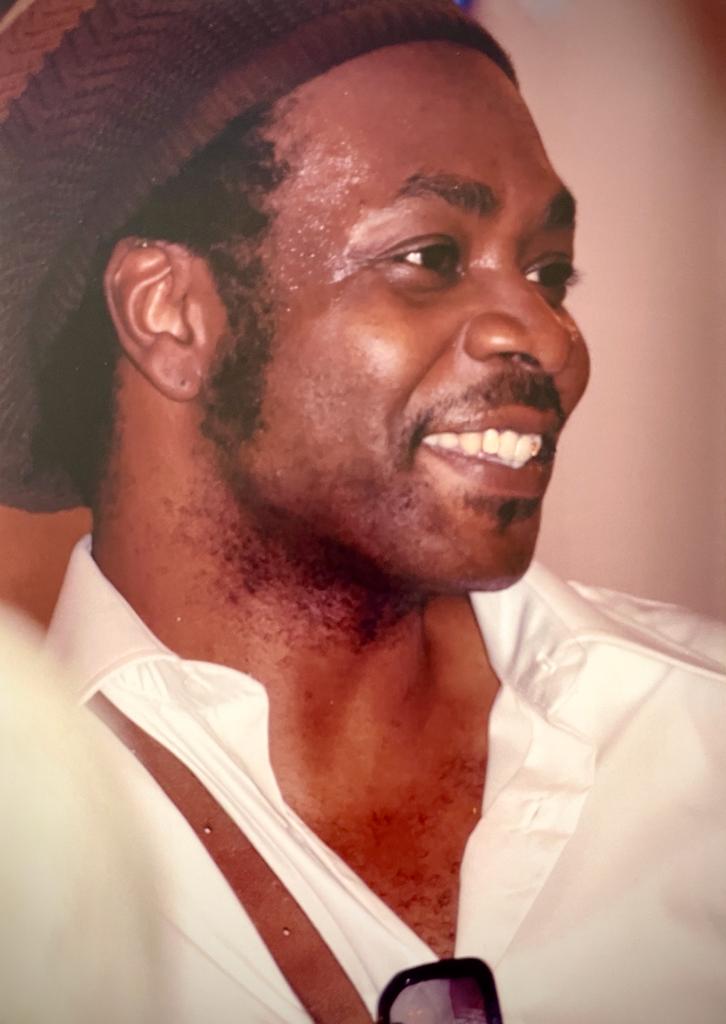
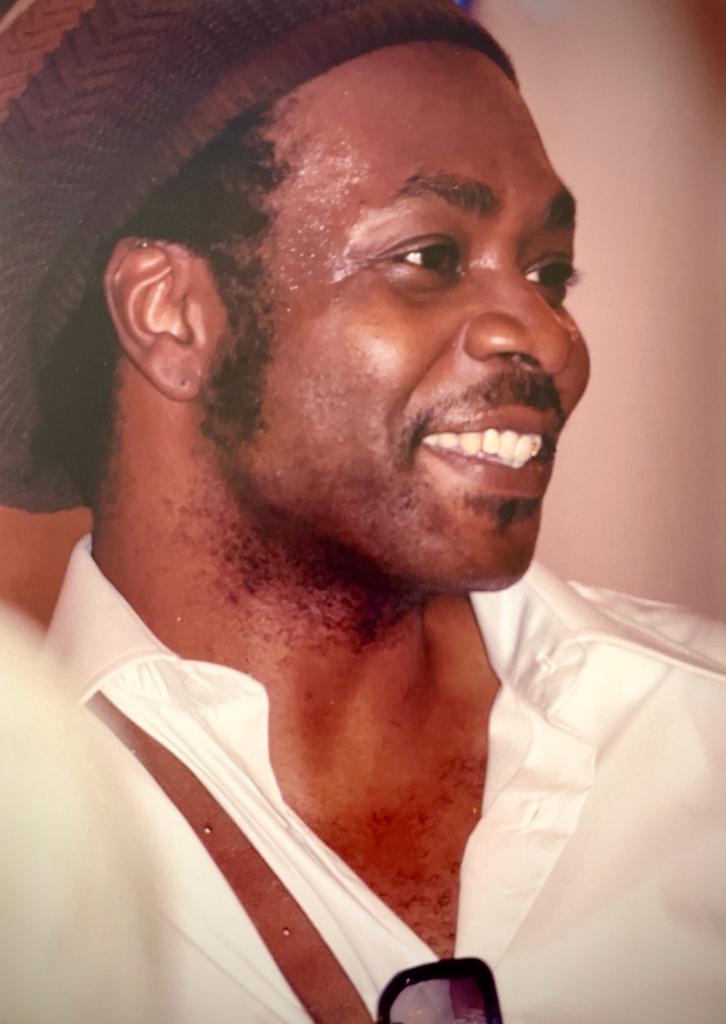
Dedicated to the sacred memory of our beautiful friend, Bancroft Anthony Grant, our teacher, training partner, group elder and friend. Always an inspiration.
Teacher of Ilustrisimo Sword and Pencak Silat Sera.
Killick Off Road Arts (KORA) appears to be a martial arts group founded and led by Richard Killick. The group is dedicated to preserving and teaching various martial arts styles, with a focus on closed-door martial arts from Indonesia, Thailand, the Philippines, and European Martial Arts. Here are some key points about Killick Off Road Arts:
1. **Founder and Head Instructor: ** Richard Killick is the founder, head of research, and director of training for Killick Off Road Arts. He has extensive experience and expertise in a wide range of martial arts disciplines, both Eastern and Western.
2. **Martial Arts Experience:** Richard Killick has been involved in martial arts since 1978, starting with training in Combatives, Western boxing, and fencing. He has also studied Eastern and Western martial arts extensively and has coached disciplines like Boxing, Muay Thai, Jeet Kune Do, Mixed Martial Arts (MMA), and full-contact stick fighting.
3. **Training Focus:** Killick Off Road Arts focuses on teaching a variety of martial arts disciplines, including Bare Knuckle Boxing, MMA, Grappling, Sword and Dagger, Stick and Savate with a Basque flavour. Pencak Silat is also taught separately from the other arts.
4. **Training Philosophy:** The training philosophy of Killick Off Road Arts emphasizes threat level assessment, contact management, and training for real-world scenarios in weapons-based hostile environments. The training is designed to be safe and controlled while enhancing students’ awareness, conditioning, reactions, and skill sets.
5. **Modern Training Methods:** The training program incorporates modern training methods that involve pad-hitting, integrated live training, free play, and sparring. These methods aim to provide students with practical skills applicable to their needs and environments.
6. **Diverse Student Base:** Killick Off Road Arts has trained a diverse range of individuals, including military personnel, intelligence officers, A-list actors, celebrities, and regular people. The training is tailored to help individuals safely perform their professional duties and protect themselves and their loved ones.
7. **Focus on Personal Safety:** Richard Killick and his team have provided personal safety training to various individuals, including those in high-profile roles and potentially dangerous environments.
8. **Ongoing Research:** Richard Killick continues to conduct research in the martial arts field, and the pursuit of “Duende” suggests an ongoing exploration of the essence and depth of martial arts.
Overall, Killick Off Road Arts seems to provide comprehensive training in martial arts with a strong emphasis on practicality, personal safety, and a diverse range of techniques. It is evident that Richard Killick’s extensive background and commitment contribute to the group’s focus on preserving and teaching a broad range of martial arts disciplines.
Yesterday in class, I taught my guys the half-hip throw (Uki Goshi), the first thing I now teach, thanks to John Danaher and his brilliant stand-up-to-ground course on BJJ Fanatics.
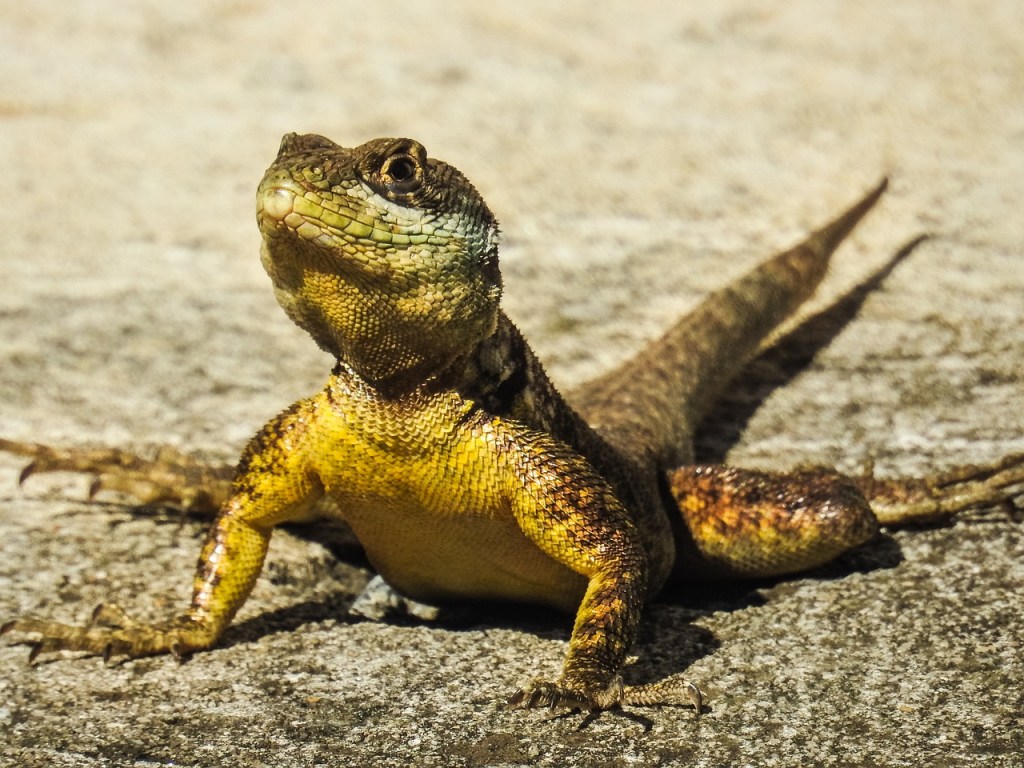
It’s natural to ask follow-up questions such as whether I stay on the ground, stand up, post throw etc. If you stay, we use what I call the sunbathing lizard, so as not to get rolled. So we now go from clinch lizard to sunbathing lizard in my group.
Please check out the coaching page if you fancy training in an art that goes feet, ground, feet with a Vale Tudo and Lutte attitude.
We are getting quite a few people asking about training opportunities, and we have some slots available for the first time in a few years, so details will be posted here on this website. In the meantime, here is a brief update.
Current KORA class
I currently teach my KORA group every Saturday in my home training space, and we cover the arts that make up Killick Off Road Arts listed on the coaching page.
Most people start with the Saturday 10am to 11am KORA weekly classes. The cost to train is £40 per month plus approximately £10 per year for must-have student insurance via MAGB. Numbers usually are about six students and restricted to that.
Private Classes
I teach a limited number of bespoke in-person private classes.
KORA Instructor Training
This is an open separate monthly class to train our future teachers; last year, two current KORA students graduated from the course. If you are a student or martial arts teacher who wants to teach the unique arts we cover under KORA, please get in touch with me. We usually start in September.
Workshops
This year I have already taught a private specialised workshop and have been asked to teach workshops in Spain and the Netherlands. Happy to support other martial arts schools and often do guest slots.
The minimum age for all KORA classes is 16 years old.
Pencak Silat Classes
Until this year, we did not teach this art publicly and restricted it to friends and family. We are now allowed to teach on a low to non-profit basis. This class runs every Saturday from 11am to 12am and is free to KORA students. Non-KORA students pay £20 per month to cover costs plus approximately £10 per year for must-have student insurance via MAGB. This group aims to pass on this rare art to future generations.
My group also hosts our Pencak Silat Instructor for workshops.
Please get in touch with me via korahit@gmail.com if any of the above interests you. Happy to pop on to Zoom to chat as well. If my classes are unsuitable for your needs, I am pleased to recommend other teachers of similar arts that we know and trust.
Great news, for some time now, my group and I have been studying privately with our teacher Gillvan Van Ham who is based in Holland. You will see from the school’s FB page testimonies that Gillvan is a brilliant teacher. Gillvan has helped me understand Pencak Silat and how it all fits into one very functional and logical system.
The system Gillvan teaches in the true spirit of Silat of polite friendship, and excellent workouts, is ideally suited for self-defence and is life-enhancing on many levels. All levels of students are welcome.
Please check out the school’s FB page for more information; they offer in-person and online classes. 100% recommended for great instruction that makes a huge difference to performance and the understanding of a great art.
A small group of us meet early on Saturday, in remembrance of our late teacher, Bancroft, to work on the swordplay he taught us. This week we held a sword class where we covered knife and how it relates to our sword training and blade vs empty hands-training. We wanted to check if we could use the basic Ilustrisimo sword concepts for sparring knife to knife or even knife vs bare hands. We could use the same mindset, footwork, and techniques to achieve our goals. The hour went by too quickly.
KORA Class
I covered using kickboxing, in this case, our Savate with a Basque flavour to kill the boxing hands game. We worked off our opponents’ attacks to first survive and then insert our kicks and footwork on the half beat. I managed to get everyone to use the correct skill set and get the quick kills results to regain the initiative.
We then moved on to a set of Muay Thai sequences for the clinch range, trained on the Thai pads, and were happy with the results as we combined elbows with hooks and knees modified by me for MMA and our Shootboxing module.
Silat Class
We reviewed some basic hand motions and how they fit in with our footwork, firstly on a line and then on the square. We then played with applications using the same ideas. The combination of footwork, flanking and hand motions really enhances progress. We looked at knocking our opponent into the despatch position and following up throws and sweeps.
The same mind set for all three classes hit first or regain the initiative and finish.
Saturday started a little differently as I woke up with a back spasm. Which was probably a result of some grappling. This meant I missed sword sparring. After rehab exercises and some yoga flows, I could train in and teach my class.
KORA Class
We did a quick ten-minute review of some things James, my training partner, had been training and coaching someone else in one of his training groups regarding sword techniques. Basically, the three timings, before, during and after, to counter someone’s cuts and how different ranges, timing and intention change things.
I then covered some kickboxing parries into kicks and with some Sera to finish. I think I have the blend just right, and there are no seams between my Savate and Sera or grappling.
Sera Class
The Sera class covered entries which close the opponent down quickly and how to get people into what I call the dispatch positions to end the fight. Drilling working on timing, deception, and control of your and your opponent’s centre. Also, how to put dents into people.
We then covered what we call pre-Sera training. Motions and footwork that most Pukulan styles have and how this combined to teach you to move correctly. I get real benefits from this exercise, as they tend to leave you relaxed and feeling good.
Sunday was an hour of Sera, mostly jurus and some movement drills, followed by an hour of Ilustrisimo sword solo drills. My back has returned to normal, and feeling strong. I took an online Zoom class Sunday night with my teacher for technical teaching on Sera.
Sunrise: 31st October 1964. Sunset: 31st December 2022.
I have met many great people over forty years via my involvement in martial arts, and Bancroft was one such person. I heard about him long before I met him in the late 1980s; he had a reputation as a fearsome fighter and a great martial artist.
In 2013, Bancroft joined my small closed-door group to Study Pentjak Silat Pukulan Sera. It was early in our evolution, and we were still trying to decipher what our teacher was showing us and replace our old training methods with the new teachings.
Bancroft quickly became our group’s central core member; his advice and help were invaluable as we moved forward in the art. Not long after that, he became an elder in our group, an encourager to many group members.
Bancroft studied many things; he was a great kickboxer, an excellent full-contact stick fighter with a great understanding of our Silat, and a teacher of the Ilustrisimo sword. Post-pandemic, I helped convince Bancroft to teach people his sword and weapons system, and he took on a few students outside his immediate family and friends as private students. His classes were excellent, challenging, and insightful. He had no slack or wasted movement and a mountain of patience. He was learning and refining how to teach and improving how he presented the art.
Bancroft was fantastic in person; he looked after his friends and encouraged everyone. A keen mind and always willing to debate any subject. In our private lessons, we often stopped to discuss a point or a topic of the day.
Bancroft’s passing has left a big hole in our group, and it is heart-breaking. A few of us did attend his funeral, meet his wonderful family and friends, and give him a good send-off. Bancroft was a martial artist who was very able with empty hands and weapons and a teacher of several systems. In our Silat system, we say the goal is to be normal, Bancroft was, but he was also an extraordinary human being.
In remembrance of Bancroft and as a tribute to him, each first lesson of the New Year will be named after him, and we will cover a subject he liked from one of the many systems he studied. We also plan to do a gathering in the park at some point in the Summer.
Not so long ago, in 2020 and 2021, a large proportion of our training was solo work due to the pandemic. In my training group, having a mixture of traditional and modern arts, we made significant gains despite not having training partners, which seems almost contradictory to most coaches.
Like most people, we used zoom sessions to stay in touch and to gain new technical and historical information. There was much more emphasis on using home gyms and making the most of what we all had. Some of us had to add rehabbing from a nasty bout of covid into the mix.
I found that having a home-heavy bag was beneficial and modified it to suit my needs. For example, I added small targets to the bag for my empty hand and weapons strikes. Below you can see me kicking the bag, trying to fix my lungs post covid.
I used the bag for the usual striking and tool training, but I also used it for post-workout resistance training to train my clinch and close-in tools, such as the head butts, which are a must-train for close combat. Some people think using a bag like this is funny, but I have to say I am really pleased with my enhanced clinch strength and especially when I was able to drop one detractor on his head. It was a bit like a knife cutting through butter, getting past his arms to gain control of his body.
I also use my bag during stick, sword and dagger training. I know people who hung some car tires to strike. A tennis ball on a rope can also be a valuable training tool.
Look around your home gym and think about how you can get in extra training sessions to safely improve your skills.