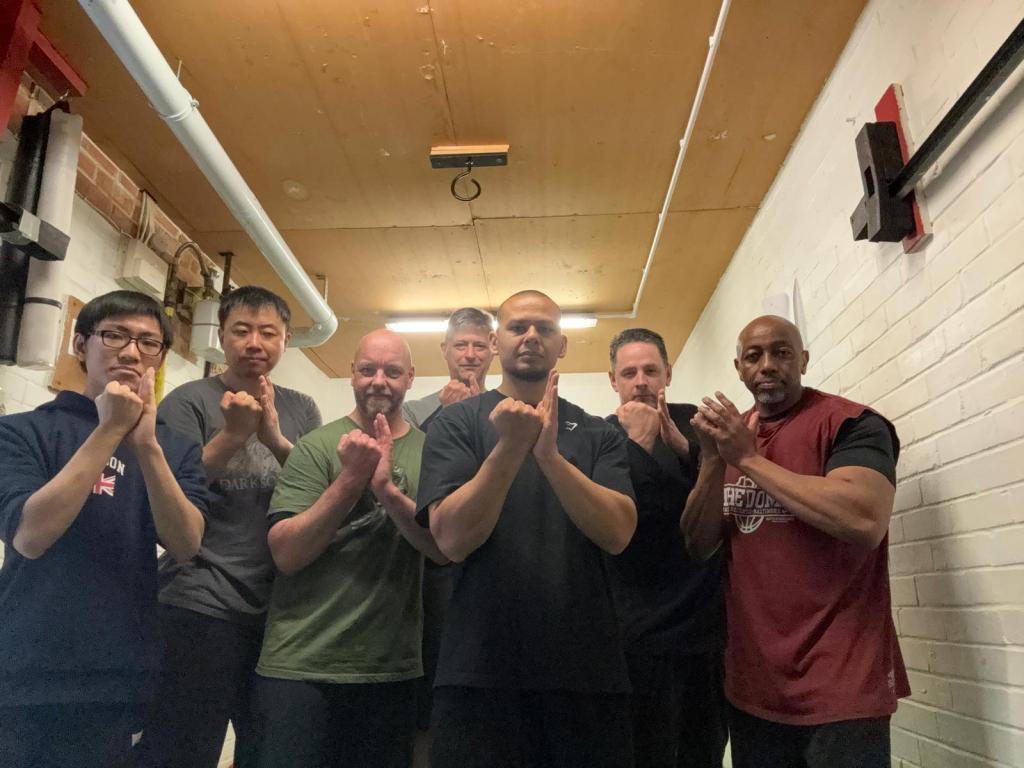
2025 has been a highly successful year for KORA. There have been clear improvements in student skill, confidence, and overall training quality. I have noticed positive developments in my own teaching approach as well.
During the first half of the year, the primary focus was on improving intention and awareness. This was within the training environment. The highest possible standards of safety were maintained. Classes were structured to encourage focus, control, and thoughtful practice.
I also revised the traditional KORA class structure. Following the initial warm-up, sessions now begin with new or more complex material, when students are freshest, before reinforcing core foundational skills. This approach has significantly improved skill retention and technical understanding.
Class Structure & Focus
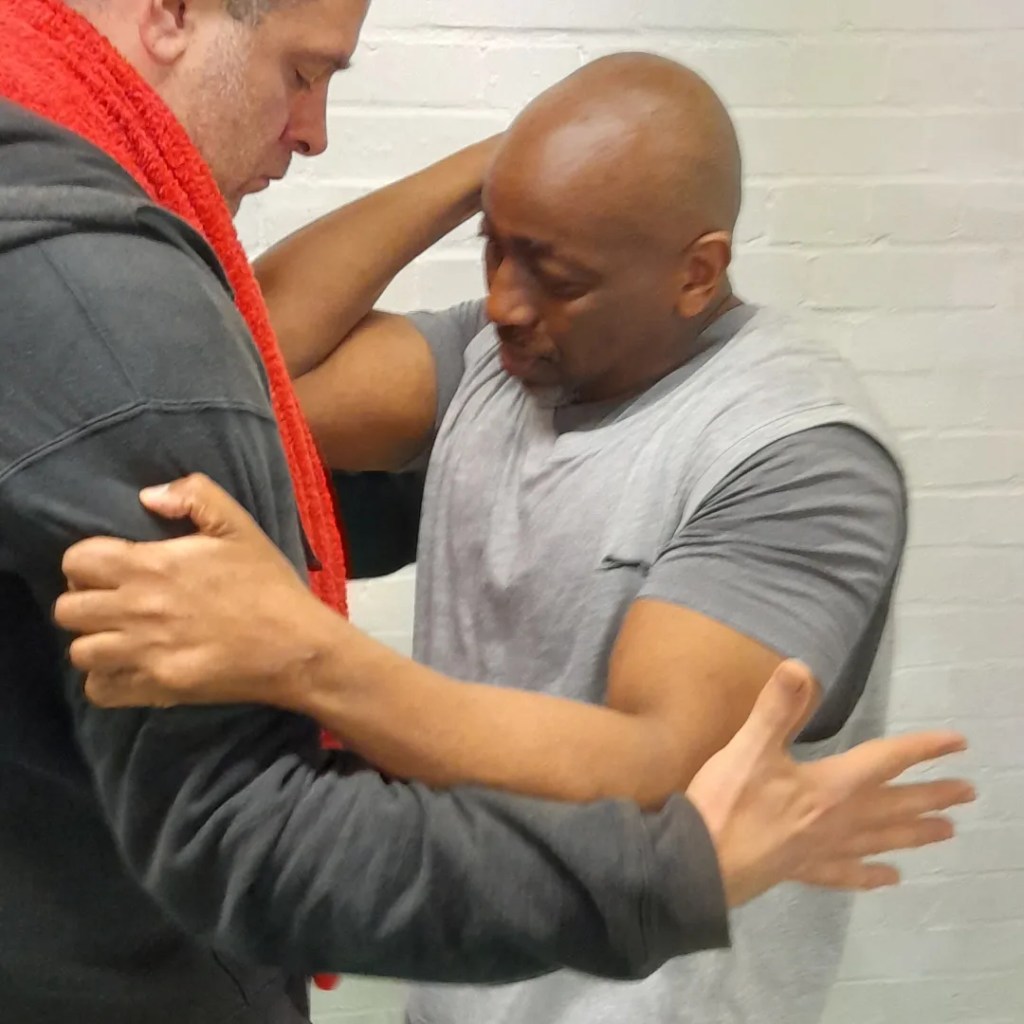
This year, MMA and kickboxing were moved to private sessions, allowing group classes to develop greater depth and clarity. In the latter part of the year, KORA focused on the following dedicated classes:
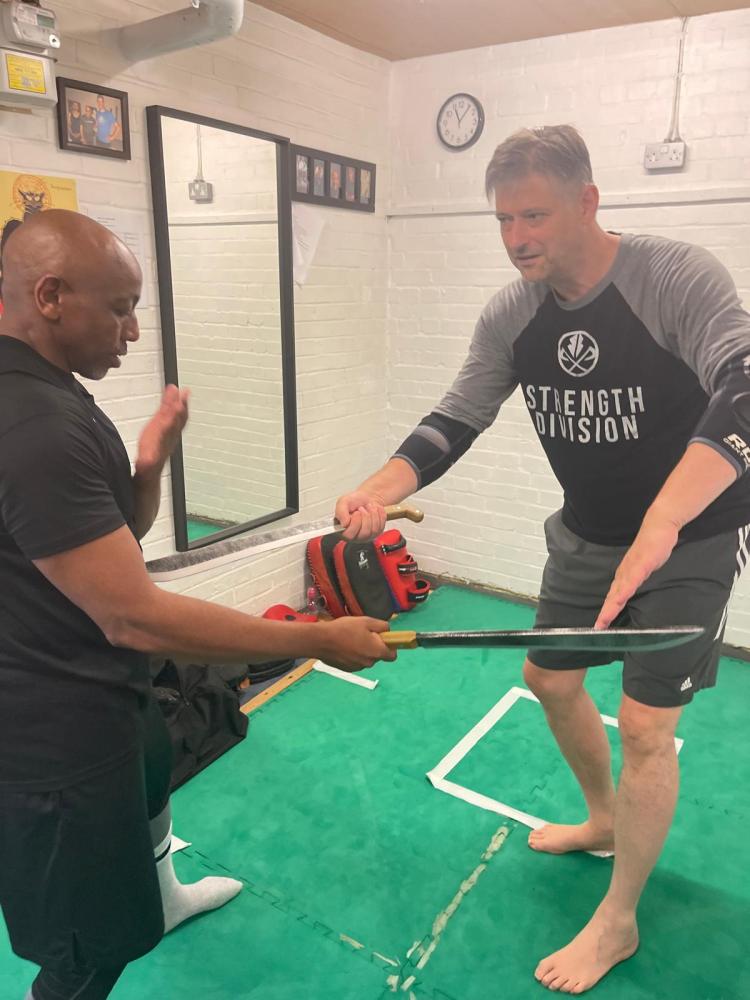
KORA Sword & Dagger Class
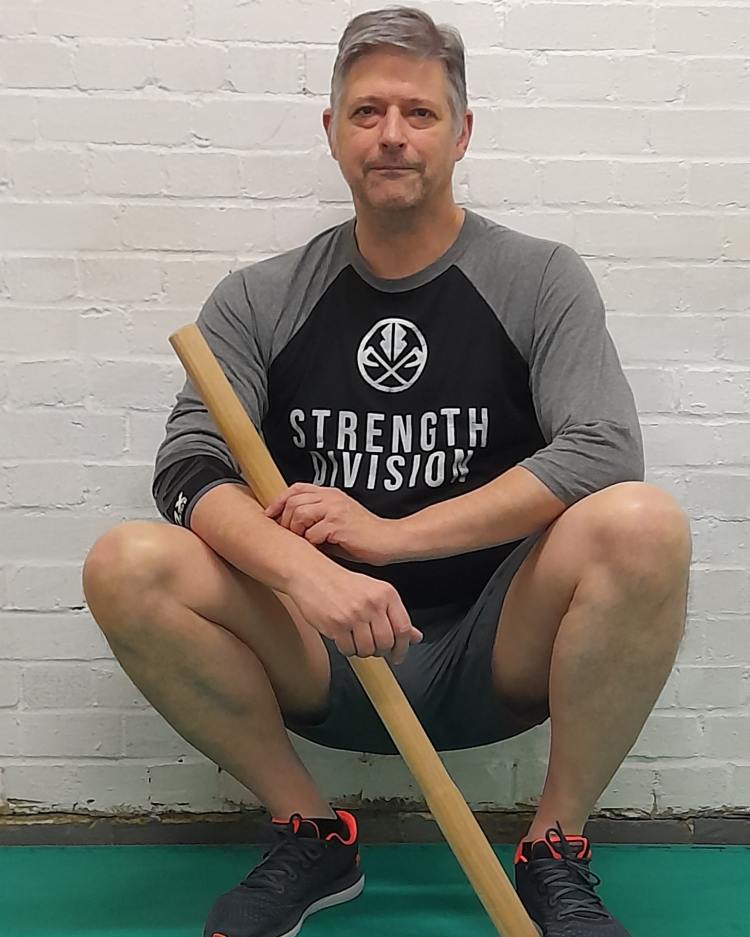
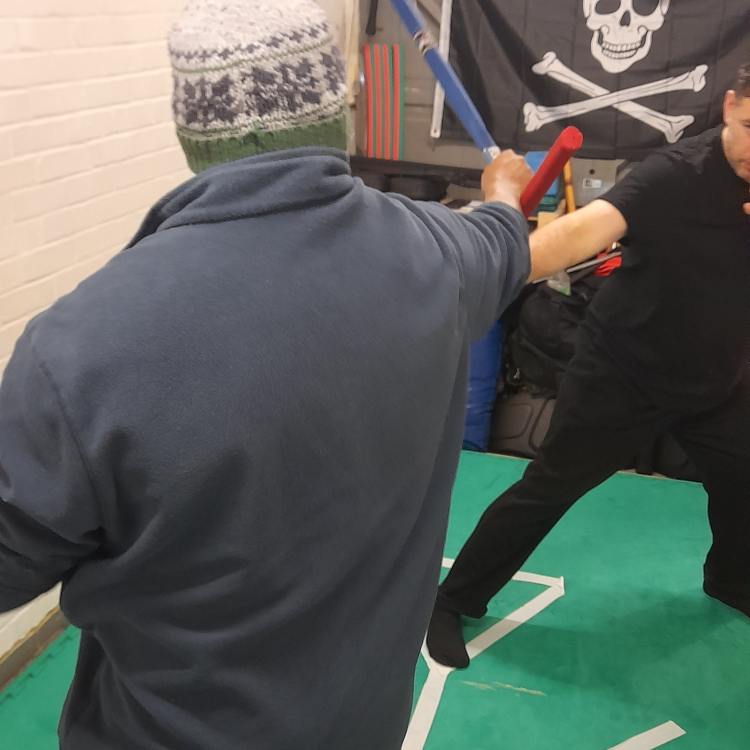
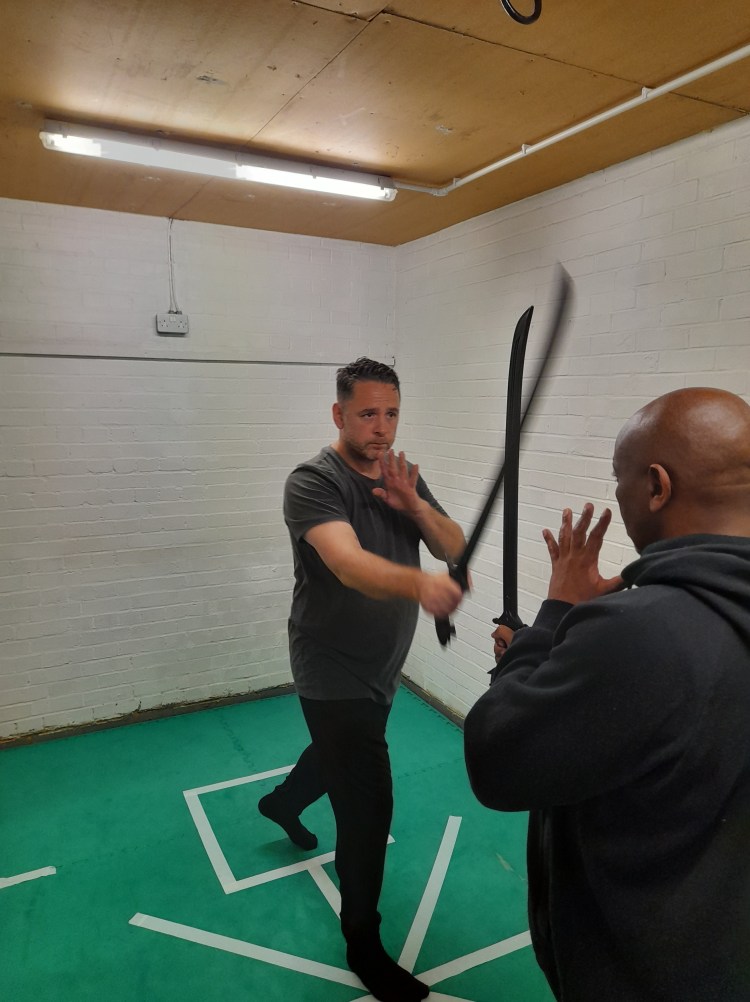
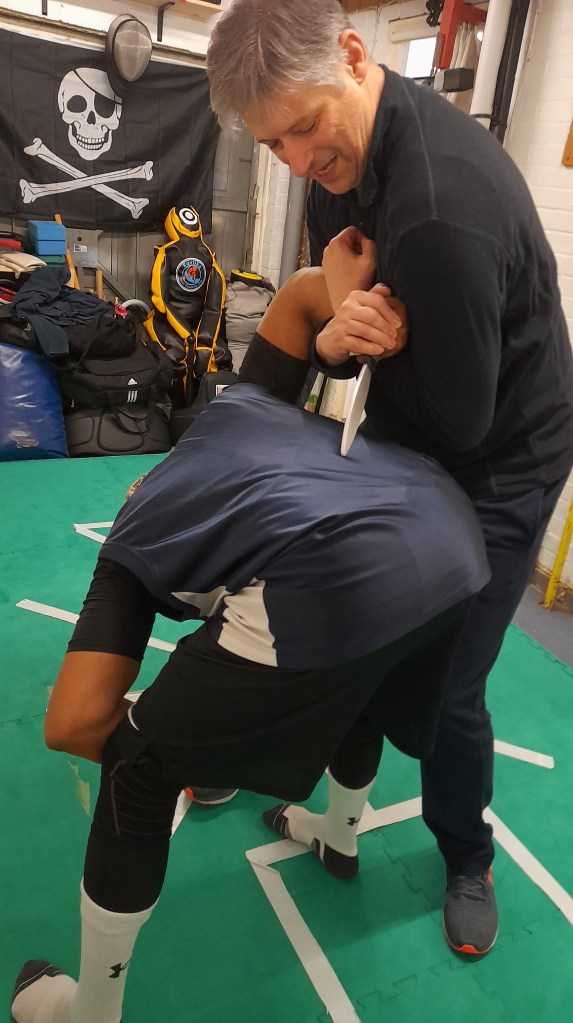
This class focuses on traditional weapons training, helping preserve these arts for future generations. Sessions cover sword, stick, and dagger work. They also include knife defence. The techniques draw from Filipino Martial Arts (FMA) and European systems.
KORA Practical Self-Defence Class
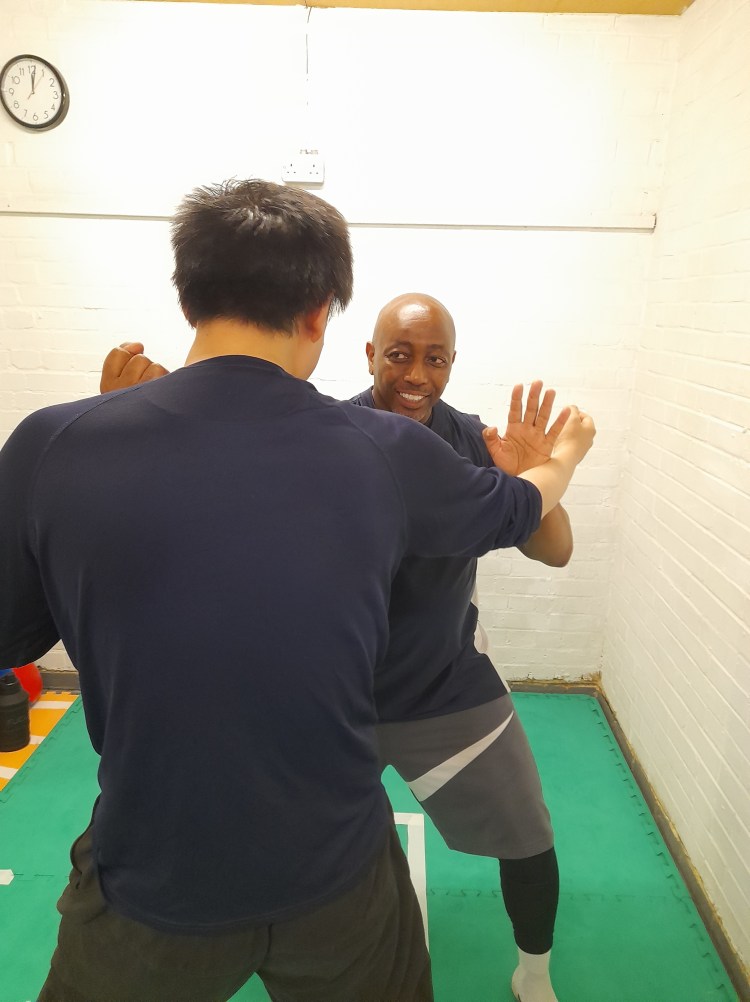
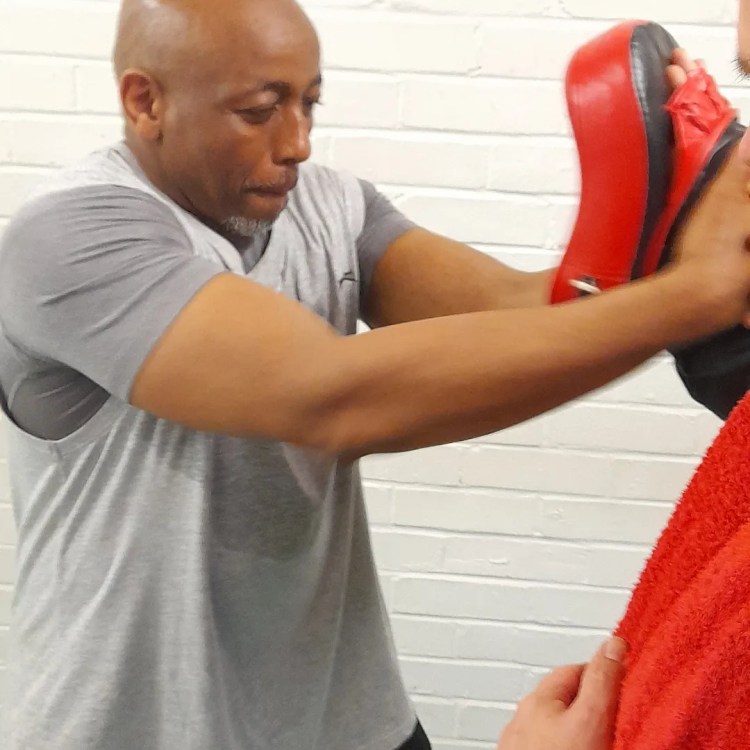
This class focuses on realistic, practical self-defence skills drawn from both traditional and modern systems. Training includes Contact Management for personal safety. It also covers Pencak Silat, dagger work, and grappling (Lutte). Additionally, kickboxing is influenced by Savate with a Basque flavour.
KORA Pencak Silat Class
This class is dedicated to preserving authentic Pencak Silat from Banten and West Java. Training draws from Serak and Sera, with a strong emphasis on practical self-defence. The group also benefits from regular workshops led by our Pencak Silat instructor.
Class Warm-Up Development
The class warm-up was refined to include Nordic Breathing, Chinese Martial Arts body-opening sequences, and traditional KORA preparation. These changes have had a noticeable impact on student movement. They improve conditioning and overall performance. Now, they form a key part of our training method.
Year Structure
The teaching year now starts in January. There is a reset in September. This structure makes it easier for beginners to join. It also allows established students to progress without disruption.
Safety & Outcomes
Safety standards have remained excellent, with no major injuries recorded throughout the year. Several students have successfully applied their self-defence training in real-world situations, demonstrating the effectiveness and responsibility of the training system.
Most importantly of all, we all had fun and improved.




 Killick Off Road Arts